
What’s the Difference Between Vietnamese Áo Dài and Chinese Qipao in 2027? Cut, How to Wear, and Occasions Explained
11/19/2026
How to tell áo dài from qipao? Compare tops vs. pants, one-piece cuts, collars, slits, history and occasions to distinguish two Asian garments.
Conclusion first: don’t judge by the collar alone
Both áo dài and qipao can feature a high collar, fitted lines, and side slits; judging only by the neckline often leads to mistakes. The most practical way to tell them apart is to look at the lower garment: áo dài commonly pairs a long tunic with long trousers, while qipao is typically a one-piece dress.
This describes common forms for identification, not a limit on all designs; modern styles may shorten the tunic, alter sleeves, or change skirt and pant shapes.
Áo dài: flowing lines of a long tunic worn over trousers
In Vietnamese, áo dài is written áo dài; the modern common form is a fitted long top with side slits worn over long trousers. The hem flows with the wearer’s movement.
Information from the Vietnam National Administration of Tourism notes that áo dài can be traced back to the áo ngũ thân promoted by Nguyễn Phúc Khoát in 1744; in the 1930s, Le Mur Nguyễn Cát Tường simplified and slimmed the form, bringing it closer to the silhouette familiar today.
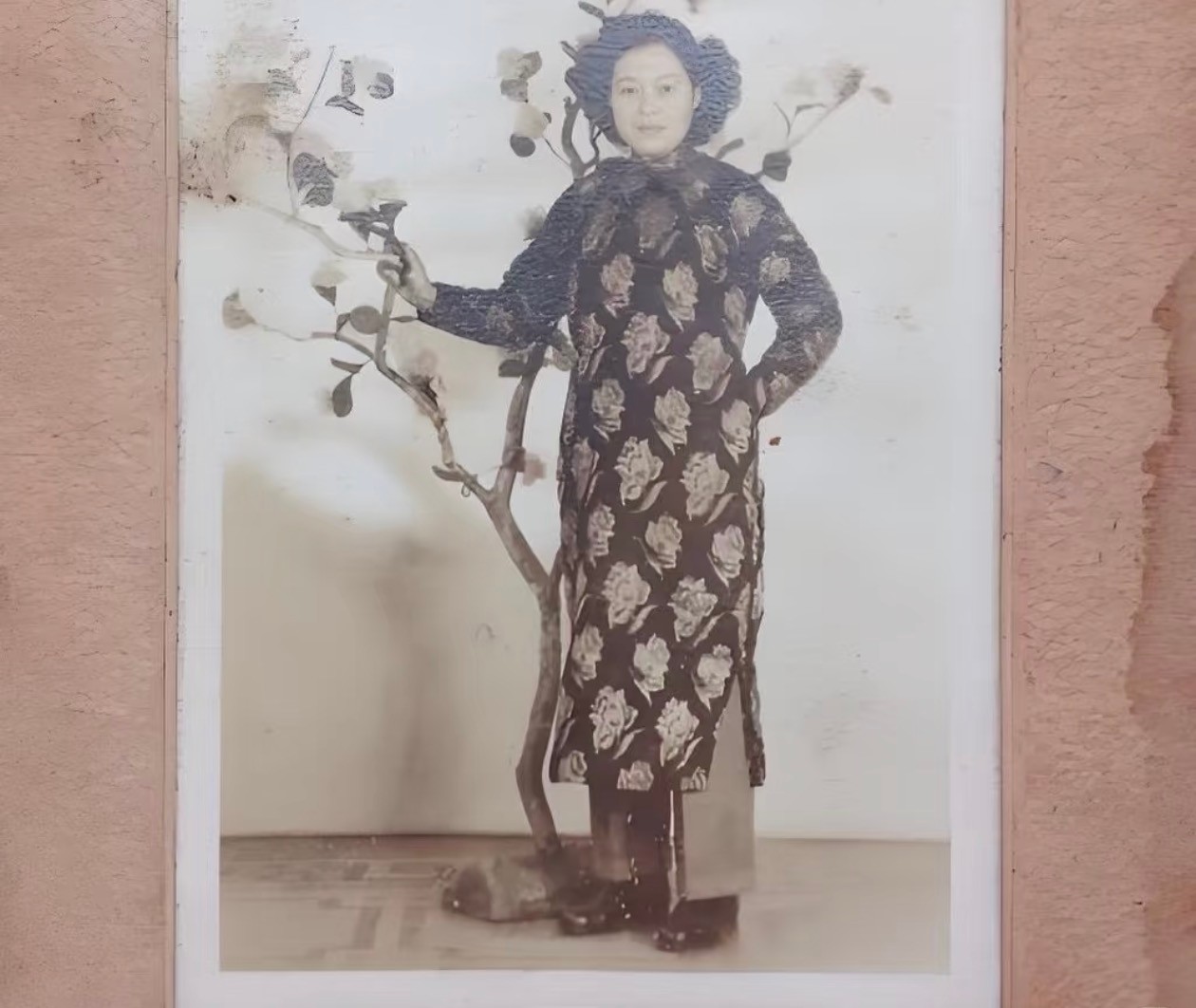
Qipao: the classic one-piece dress structure
In Mandarin the garment is called qipao, and in Cantonese often cheongsam. Its classic structure is a one-piece dress with common features such as a standing collar, asymmetric front closure, frog buttons, and side slits. Fabrics can be silk, satin, cotton, or other textiles; formal evening versions may include embroidery, beading, or sequins.
Sources from the National Library of Singapore indicate the qipao became fashionable in Shanghai in the late 1920s and later spread to Hong Kong, Taiwan, Singapore and other places. Thus the modern fitted qipao is the result of urban fashion evolution and should not be assumed to be a Qing dynasty garment in all its forms.
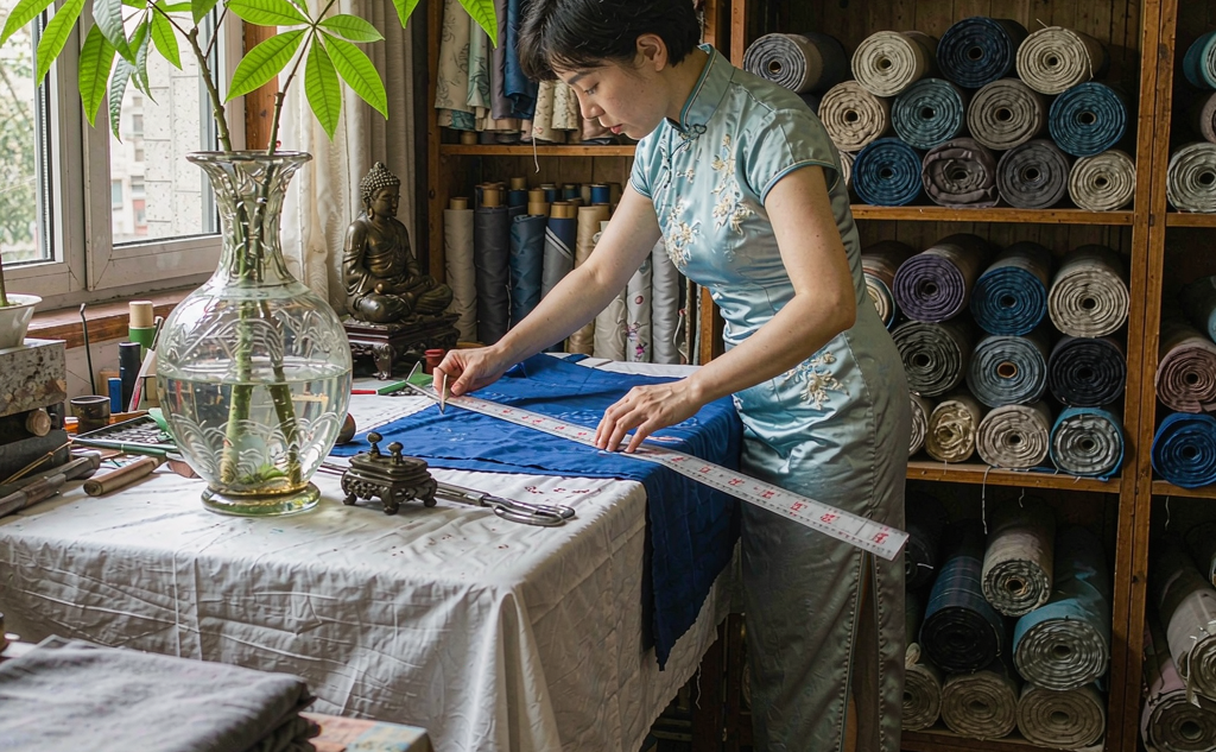
Quick ID: pants vs. dress and slit position
Use three quick points to judge. Check whether a long tunic layers over matching long trousers—if so, it’s usually áo dài. If the garment runs continuously from shoulder to skirt, it’s usually qipao. The long tunic’s side slits revealing trouser legs while walking is a clear áo dài cue.
But both have loose, short, and cross-cultural adapted versions, so common forms aren’t hard rules.
Occasions: school uniforms to formal festivals vary
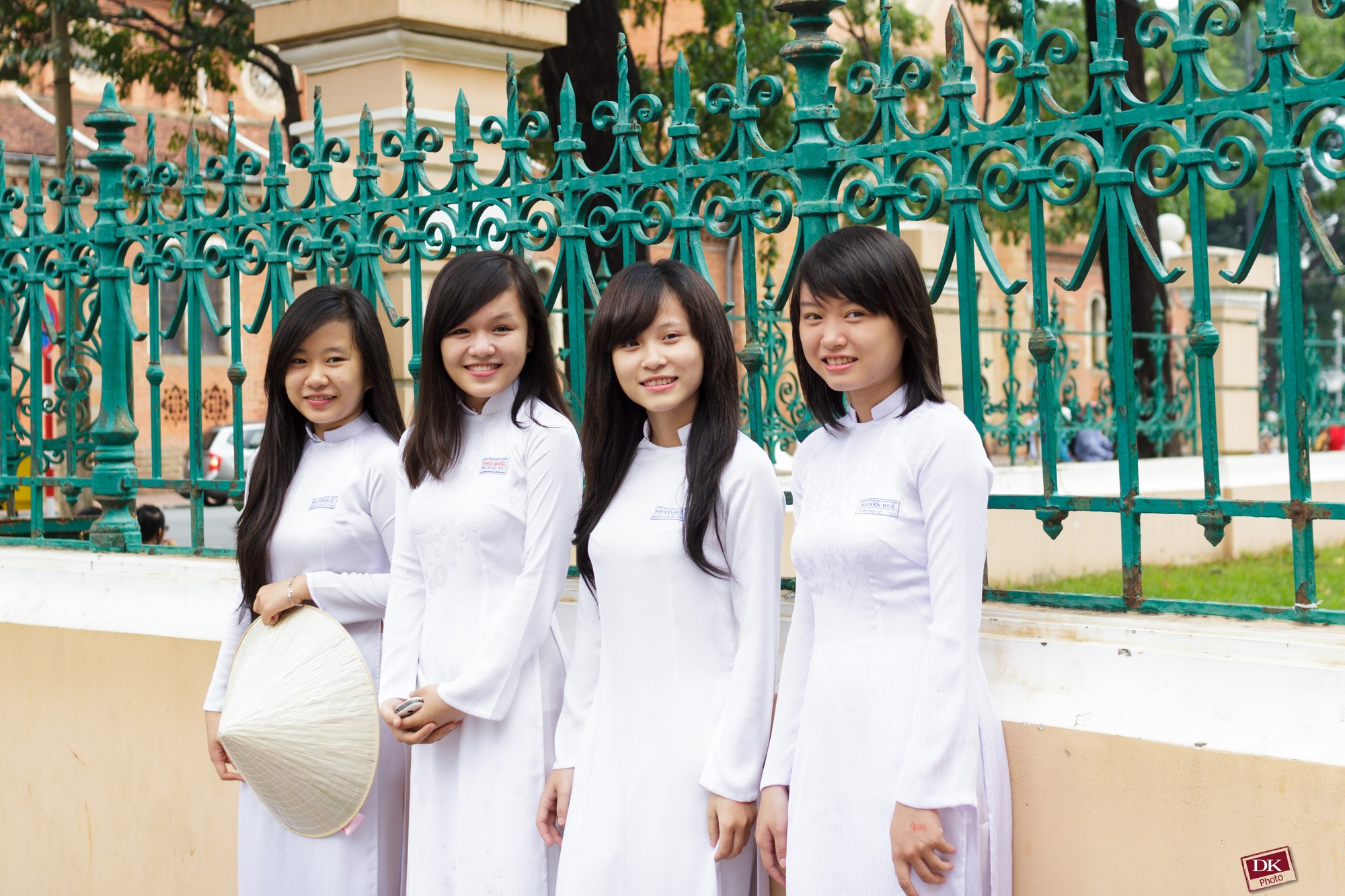
Áo dài in Vietnam appears at schools, weddings, festivals, formal events, and on-location photography. The Vietnam National Administration of Tourism notes white áo dài are common among female students and are also worn for Lunar New Year and weddings; contemporary versions include shorter bodies, short sleeves, and boat necks.
Qipao commonly appears at wedding banquets, festivals, family portraits and dinners; there are also short, A-line and casual variants. The China National Silk Museum’s qipao exhibition shows cultural and silhouette adaptations.
How áo dài’s trouser layer affects movement
The trousers under an áo dài make walking, cycling and everyday movement more convenient. However, the long hem, fitted cut and high slits still require care, so the outfit is not completely unrestricted.
Qipao is not necessarily limited to quiet standing—slit height, skirt width, and fabric affect movement. The real difference lies in garment structure and design versions, not an immutable label of “áo dài lively, qipao demure.”
Wearing áo dài in Ho Chi Minh City for Vietnamese-style photos
When traveling to Ho Chi Minh City, áo dài suits café, old architecture, the pink church, or neighborhood photoshoots. Start at ÁO DÀI MUSE to choose a suitable tunic and trousers, then pair with professional hair and makeup plus a Saigon outdoor shoot to capture the side slits, hem movement, and fabric flow.
You can first check áo dài rental, hair & makeup and Saigon photoshoot services and 65/27 Cách Mạng Tháng Tám, Bến Thành, Hồ Chí Minh. Keeping the trousers and tunic layer shows Vietnamese character more than treating áo dài as an ordinary one-piece dress.