
2027 Ho Chi Minh City Independent Travel Guide: Transport, Money Exchange, Food & First-Time Tips
11/19/2026
Practical tips on Ho Chi Minh City transport (Grab, metro), money exchange, street food, shopping and airport advice for first-time and solo travelers.
First Time in Ho Chi Minh City: Get a Feel for the City's Rhythm
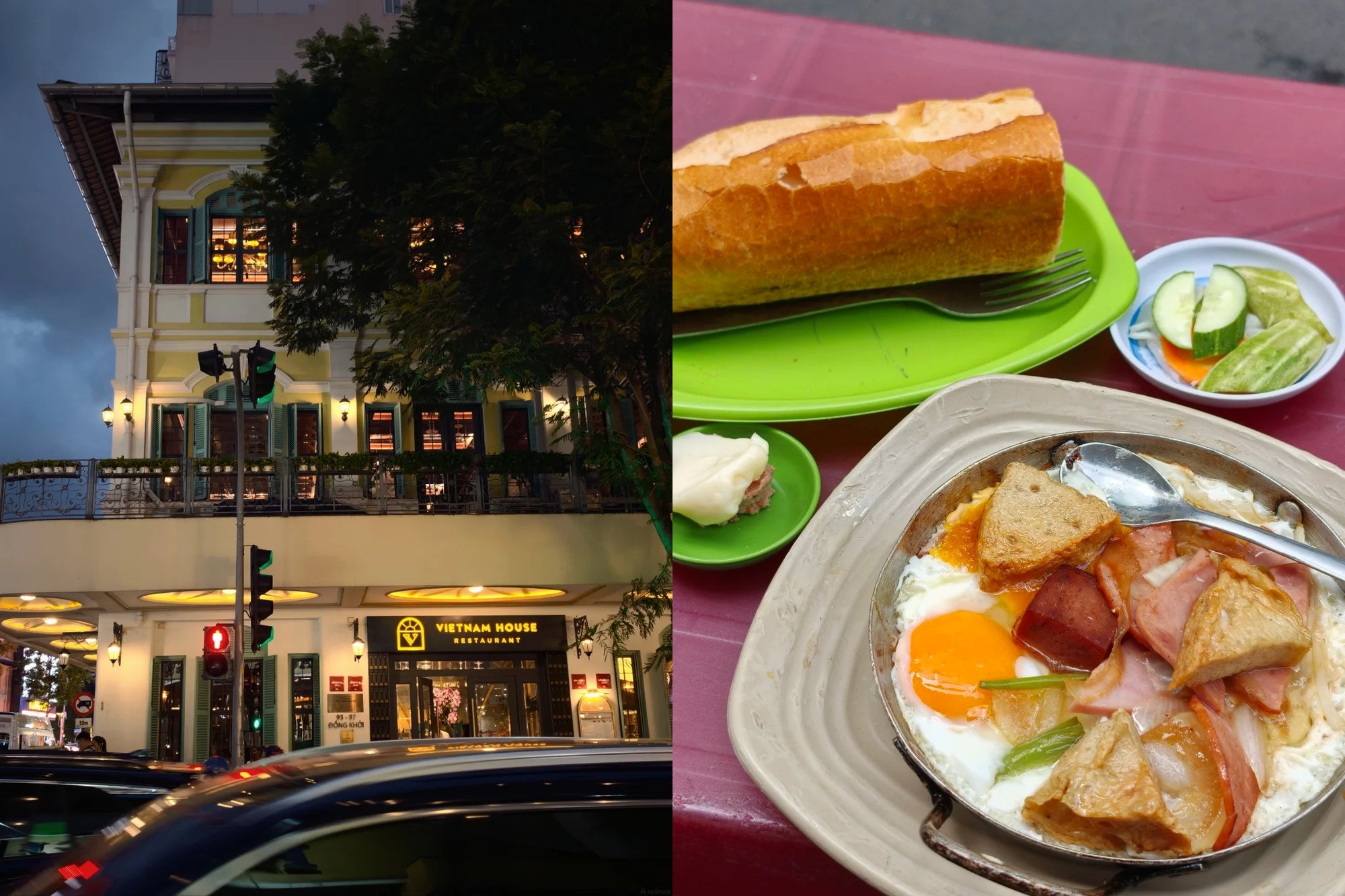
The charm of Ho Chi Minh City lies in its French colonial buildings, alleyway snacks, coffee shops and streams of motorbikes. For a first visit, concentrate accommodation, restaurants and sights around District 1 and District 3 to reduce long daily traffic jams. Many central areas are walkable, but when crossing streets keep a steady pace and don't step back suddenly so traffic can predict your direction.
If you plan a traditional Vietnamese costume experience, you can first visit the ÁO DÀI MUSE service page ÁO DÀI MUSE 的奧黛服務頁; the shop is located around Ho Chi Minh City 22B Nguyễn Thái Bình, Phường Nguyễn Thái Bình, Quận 1, suitable for a half-day central city activity.
Top Transport Choice: Grab — Allow Extra Time at Peak Hours
For short trips, GrabBike usually weaves through central traffic more easily than cars; tourism guides also note GrabBike is often faster and cheaper within the city. Before confirming, check the plate, driver name and helmet; keep your bag in front of you during the ride and choose well-lit pick-up/drop-off spots at night. Grab shows the price before confirmation and accepts cash or bound payment methods.
Don't treat “motorbikes are always faster than cars” as a rule: rain, concerts and rush hours can all cause jams. If you have large luggage or travel with several people, GrabCar can be more practical.
Metro Line 1: Good for Cross-District Travel, Not Always Direct to the Airport
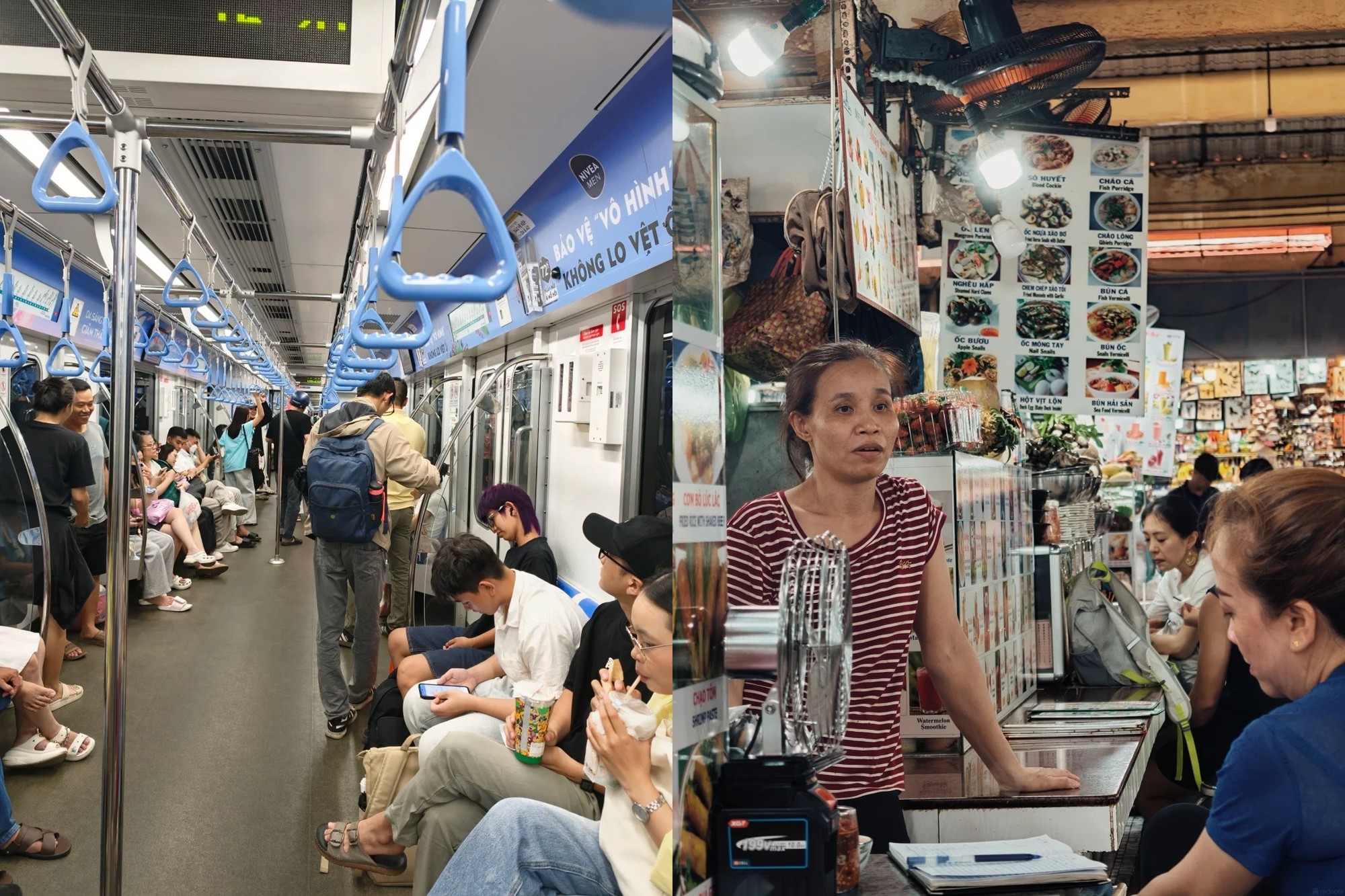
Ho Chi Minh City's Metro Line 1 connects Ben Thanh Market and Suối Tiên, suitable for reaching Thủ Đức and attractions along the line. Single fares range by distance about 7,000–20,000 VND (approx NT$9–26/¥2–5/US$0.27–0.78); day ticket 40,000 VND (approx NT$51/¥10/US$2); three-day ticket 90,000 VND (approx NT$115/¥24/US$4). Some ticket types require a card deposit—follow instructions to return the card and reclaim the deposit before exiting.
The metro is convenient for clear routes and air-conditioned cars, but when planning still include the last stretch of walking or transfers. For airport trips don't rely on straight-line maps—allow time for traffic and security checks.
Money Exchange & Cash: Small Vendors May Still Only Accept VND
Don't exchange all your cash at the airport on day one—change a small amount for transport and food, then compare rates at licensed city exchange counters. Count notes yourself, keep receipts and your passport; avoid exchanging with strangers on the street. Cafés, restaurants and malls more readily accept cards, but street stalls, traditional markets and small shops may only take cash, so carry small-denomination Vietnamese dong.
Ben Thanh Market is worth visiting but prices and quality vary widely. Check a few stalls, confirm material and size, and haggle politely; don't assume bargaining down to 30% of the initial price is always appropriate.
Street Food Is Worth Trying—Check Hygiene and Turnover First
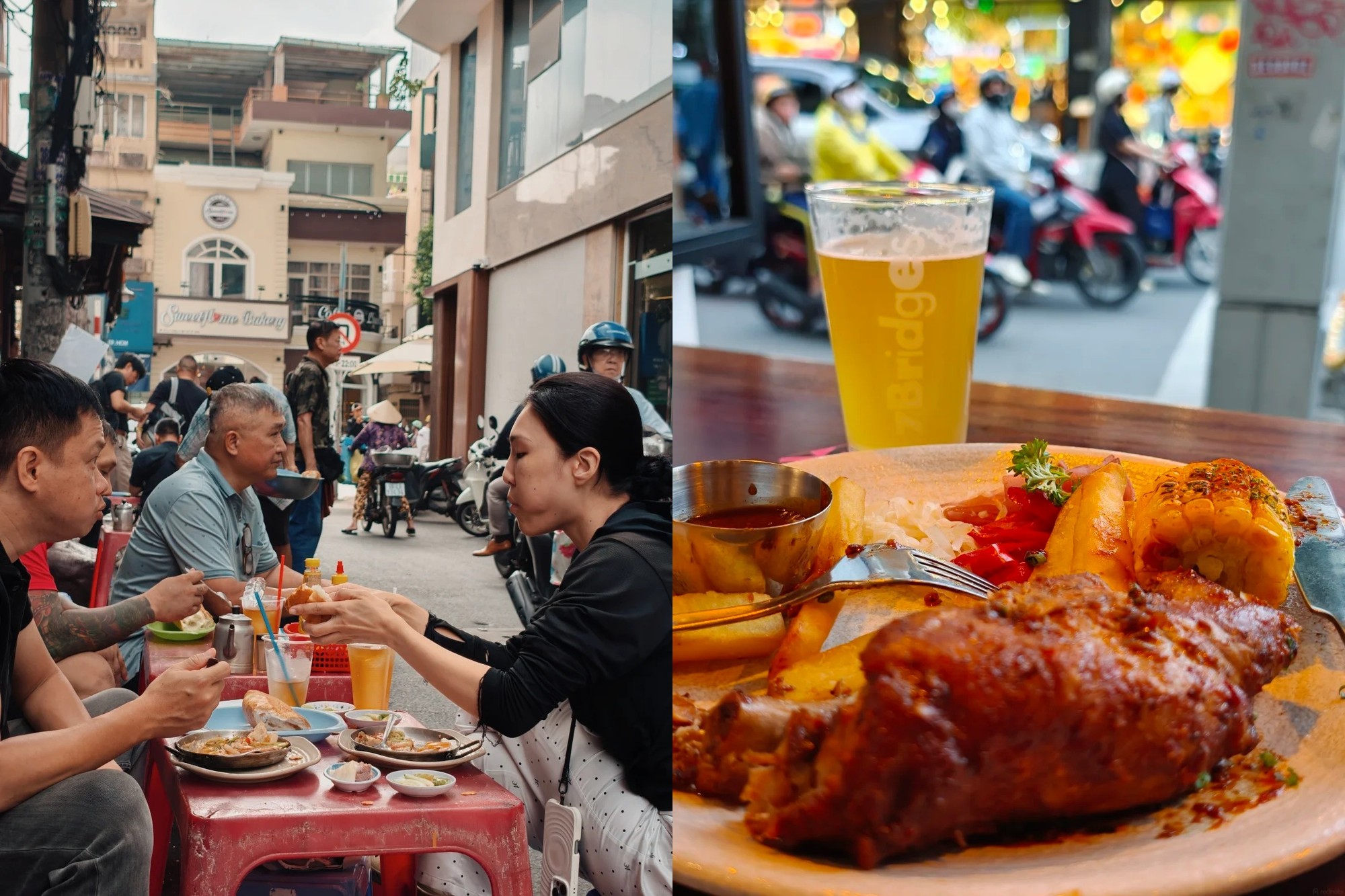
Vietnamese street food is a highlight—try pho, bánh mì, rice-paper snacks and Vietnamese coffee. When choosing a stall observe whether ingredients are covered, whether utensils are clean, and whether customer turnover is fast; if ice or raw items appear to be poorly stored, try only a small portion the first time. Don't let a stall's popularity override awareness of your own food or cold-item sensitivities.
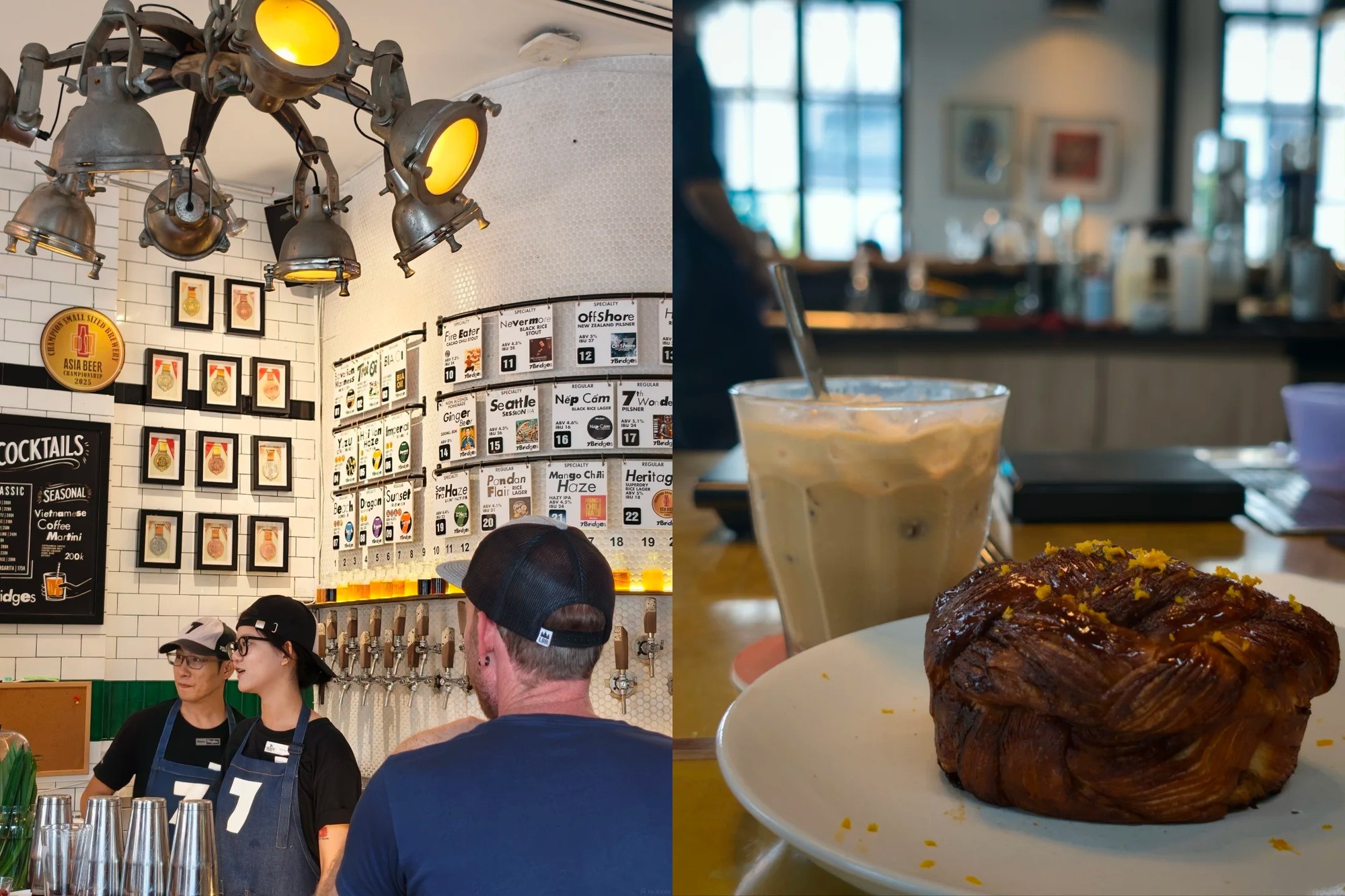
Vietnamese coffee has many styles; ordinary shops may use blended beans. If you want single-origin, roast details or pour-over experiences, plan a visit to a specialty café with a full coffee menu.
Accommodation & Shopping: Location Matters More Than Luxury
For a first visit, choose accommodation near the areas you want to explore and main roads, and confirm late-night access, elevators, soundproofing and luggage storage. District 1 is good for grouping sights, restaurants and shopping; District 3 offers more of a lived-in vibe. Schedule women's fashion, shoe and design shops in the afternoon to avoid carrying purchases under the midday heat.
If you schedule an áo dài photoshoot, allow time for changing, hair and styling—don't cram it into the last hour before heading to the airport.
Airport, Masks and End-of-Trip Reminders
Travel time between Tan Son Nhat Airport and the city center is affected by traffic. For international flights, allow about three hours' buffer to the airport—this isn't a strict rule for every flight but provides margin for jams, lines and tax refunds.
City exhaust, sun and heat can be tiring—bring masks, sunscreen, drinking water and alcohol wipes for daytime outings. Temples or some venues require removing shoes—wear slip-on shoes for convenience. On your last day avoid distant suburban sights; keep transport uncertainties within a controllable range.
A Beginner-Friendly Daily Rhythm for Ho Chi Minh City
Reserve mornings for markets, museums or cafés; afternoons for shopping and an áo dài experience; evenings for restaurants or night views. Don't rely on a single transport type: use GrabBike for short hops, the metro for cross-district trips, and GrabCar if you have luggage. Remember confirm the route first, confirm the price next, then go—that’s more important than chasing the lowest fare.
After exploring the city's food and neighborhoods, you can add a Vietnamese-style outfit experience; before visiting ÁO DÀI MUSE, check services and 22B Nguyễn Thái Bình shop location to make your central-city itinerary more complete.
Final Checks Before Departure
Before you leave, recheck your flight, accommodation address, Grab payment method, metro operation info and the day's weather; adjust your pace after arrival according to your energy. You don't need to cram every sight into one day—leave time for alleys, coffee and spontaneous discoveries; that often makes the trip more enjoyable than ticking off a checklist.