
2027 Hao Sy Phuong, Chợ Lớn, Ho Chi Minh City: Walking Guide to a Century-Old Chinese Residential Alley in District 5
11/25/2026
2027 Hao Sy Phuong visit guide: learn about the century-old Chinese residential alley in District 5, its architecture, address, transport and photo etiquette.
Chợ Lớn in District 5 of Ho Chi Minh City is more than markets, temples and street food — it also hides an old alley that still has people living in it: Hào Sĩ Phường (Hao Sy Phuong). It’s not a restored heritage site nor a staged photo set for tourists; entering from the Trần Hưng Đạo B entrance reveals tightly joined old houses, narrow passages, exterior corridors and the sounds of daily life.
If you like old buildings, the history of Chinese communities, or want to see a quieter side of Ho Chi Minh City, Hao Sy Phuong can be scheduled as a stop on a half-day District 5 itinerary. The most important rule here is: residents’ lives are more important than photography. Before visiting, check the situation on site and adjust your shooting and lingering to avoid disturbing residents.
What is Hao Sy Phuong
Hao Sy Phuong, also written as Hào Sĩ Phường or Hao Sy Phuong, is located in District 5’s Chợ Lớn area. The common address format is 206 Trần Hưng Đạo B, District 5, Ho Chi Minh City. Some maps or travel sources shorten it to 206 Trần Hưng Đạo; before departure give the full address to your driver and use the entrance signage on arrival as the final reference.
Its character is not a single shop or building but a still-functioning residential old community. The alley has residents coming and going, clothes drying, doorways being tidied, and people using the exterior corridors or public spaces. That contrast — a busy street outside, suddenly slowing down once you turn into the alley — is why Hao Sy Phuong attracts visitors.
The century-old alley and Chợ Lớn’s Chinese community background
Hao Sy Phuong is often introduced as an alley more than a hundred years old. Local Vietnamese cultural records note that this was originally lane number 206 in the Đồng Khánh area, later corresponding to today’s Trần Hưng Đạo B; related accounts link it to early Chinese immigrants who settled, worked and formed neighborhood life in Saigon.
There are different versions about the exact founding year and the original builders; a cautious phrasing is: Hao Sy Phuong gradually took shape in the early 20th century and has preserved a residential pattern spanning more than one generation. This place is not merely a facade left for display but a living space still used by residents, so it’s inappropriate to treat every corner as a public exhibit when visiting.
Chợ Lớn, the district to which Hao Sy Phuong belongs, has a long-standing Chinese community history in Ho Chi Minh City. From streets, shop signs and religious spaces to food culture, you can see traces of long-term interactions among different groups; Hao Sy Phuong compresses this history into a residential alley, allowing a closer, everyday understanding of District 5.
What you can see inside the alley
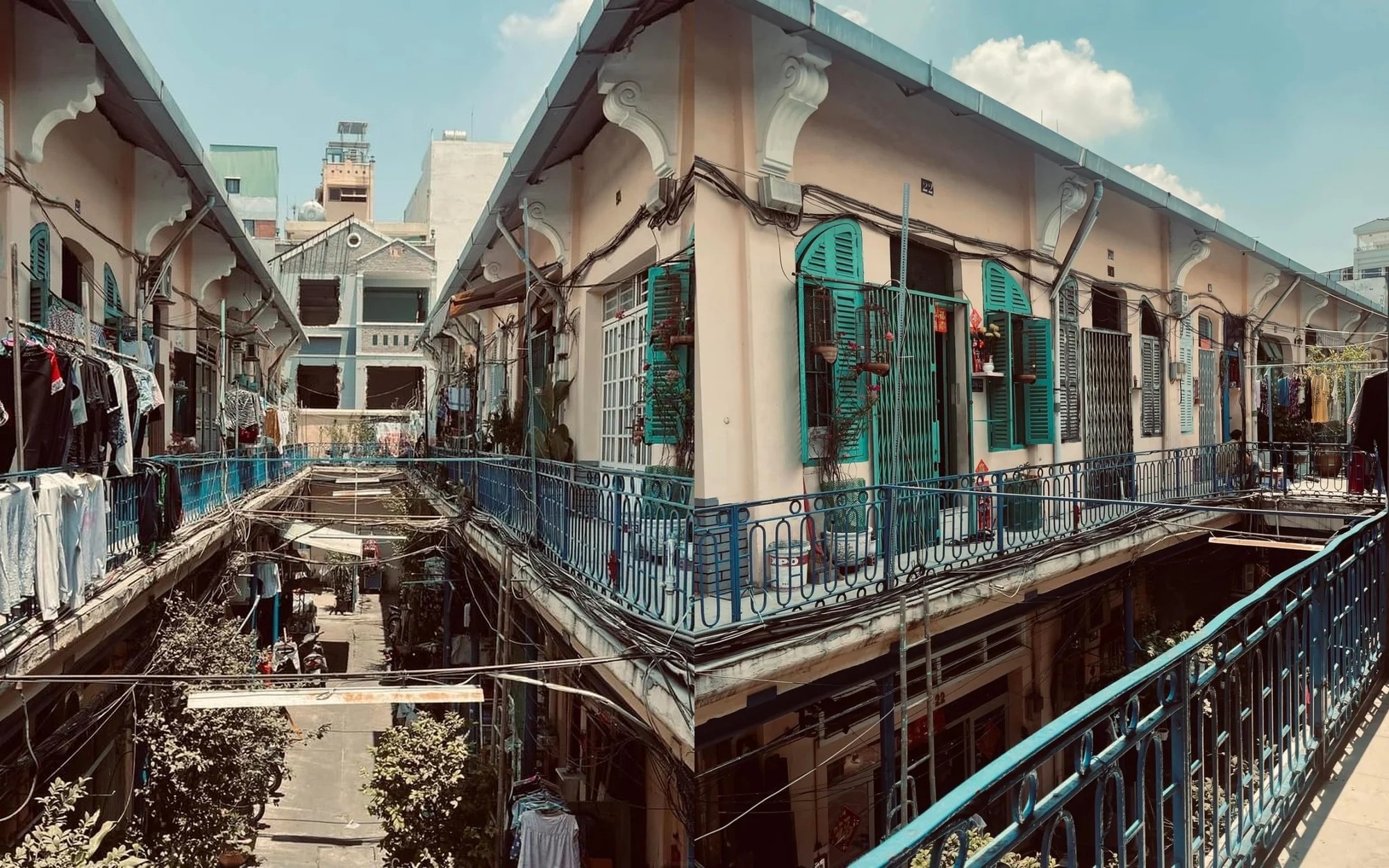
The residences in Hao Sy Phuong are mostly tightly arranged two-story houses, with some units connected by exterior corridors and shared passageways. Records mention this housing cluster once had about 67 units, forming a small community through interior spaces, courtyard-style layouts and continuous exterior corridors.
When the light is right, you can notice several distinctive details: faded walls, arched ventilation windows, wooden-frame doors, iron railings, and blue exterior corridors extending along the houses. Some doorways still display daily items or potted plants, and you may see laundry and signs of residents’ lives on the upper floors. These details convey Hao Sy Phuong’s real atmosphere better than staged shots.
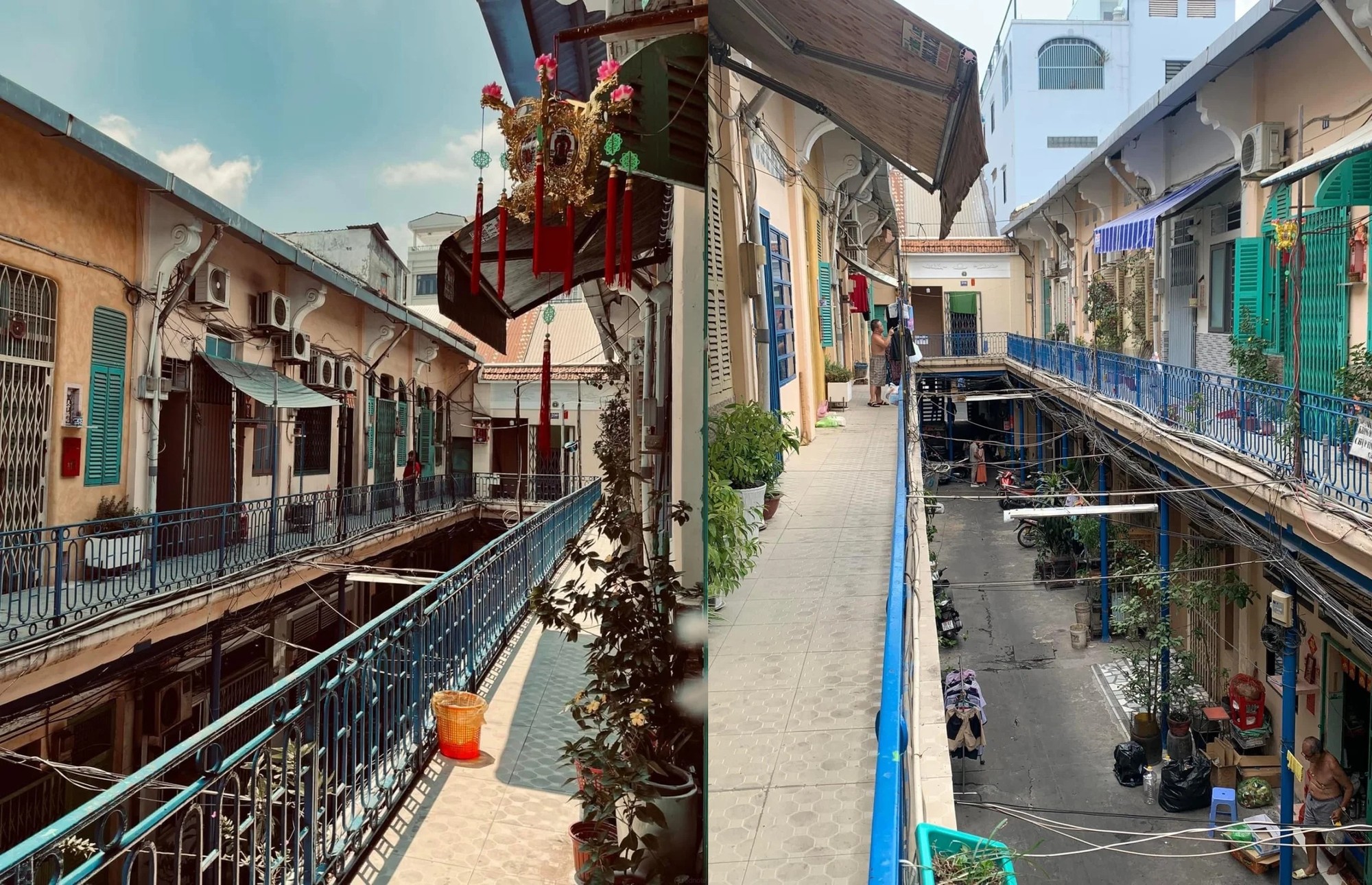
The alley space is not wide; when residents move items, ride motorbikes in and out, or chat with neighbors, visitors should step aside to let them pass. It’s recommended to walk slowly and observe building proportions and daily details, rather than standing in the middle of the passage for long periods to take photos.
Rules to confirm before photographing
Hao Sy Phuong has in the past caused inconvenience to residents due to visitor numbers, noise and shooting behavior; at times notices have appeared restricting or forbidding photography. Therefore, do not treat photos seen online as a guarantee you can shoot the same today. If there are notices at the entrance or inside the alley on the day you visit, follow the latest on-site rules; if photography is not allowed, just observe with your eyes.
Even if shooting is allowed on site, it is recommended to follow these practices:
- Do not photograph residents’ interiors, private items at doorways, or people who are resting. - Obtain consent before photographing people, and especially avoid pointing long lenses at residents. - Do not block corridors, stairs or entrances with equipment or by standing. - Do not use flash, speak loudly, or move residents’ belongings for composition. - Do not wear or pose in ways that might make residents uncomfortable.
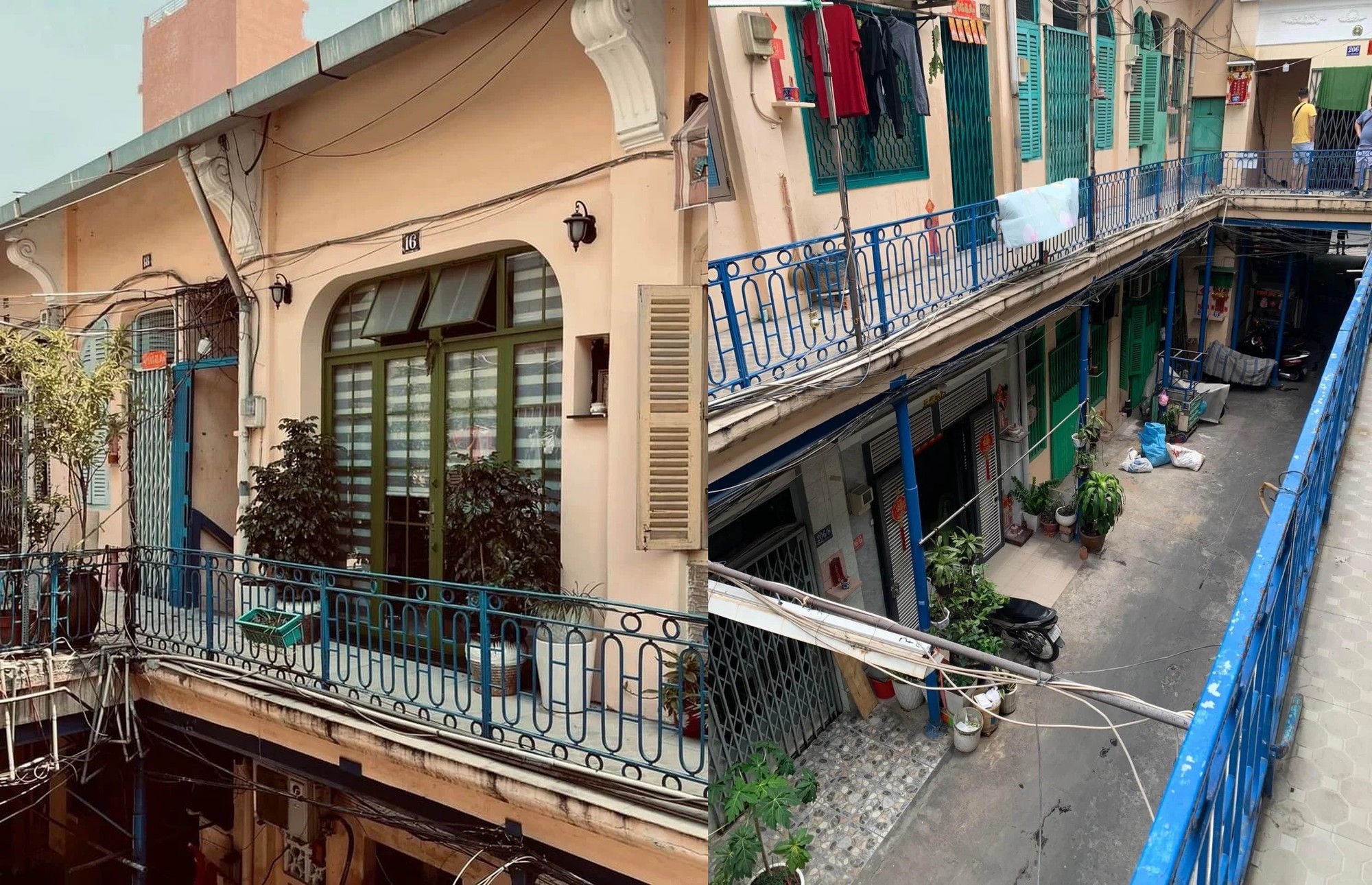
What makes Hao Sy Phuong worth seeing is that residents still live here. Treat it as a neighborhood rather than a photo studio, and the visit will be more comfortable and respectful of the community’s historical value.
Address, visiting time and how to get there
Hao Sy Phuong does not have fixed opening hours announced by a management unit, nor should the residential alley be treated like a ticketed attraction. Third-party travel sources usually list it as an alley open freely and free of charge, but actual access and photography permissions depend on on-site notices and residents’ conditions.
It’s best scheduled during daytime; morning or late afternoon usually provides softer light, but avoid residents’ meal, rest or especially busy periods in the alley. Generally allow about 30–60 minutes to observe the housing layout from the entrance and quietly walk the main passage.
From District 1 to District 5, taking Grab or a taxi is usually the most direct option; some streets in District 5 have heavy traffic, so if a driver drops you near the entrance it’s advisable to walk in. The alley’s passages are narrow, not suitable for large tour groups or for visiting with large wheeled luggage.
How to plan a District 5 route
If you want to include Hao Sy Phuong in a District 5 route, treat it as a stop for architectural and community observation rather than a main attraction to linger at too long. Visit in the morning, confirm entry is allowed, walk quietly, then continue to nearby markets, cafés or restaurants depending on your energy and transport.
The Chợ Lớn neighborhood nearby offers many Chinese eateries, herbal tea shops and long-established stores that can be explored on foot; however each place has its own hours, so check ahead. If you’ve already visited District 5’s temples and assembly halls before, this time intentionally focus on residential architecture, alley scale and residents’ lives to get a different perspective from other routes.
Suggested itinerary starting from ÁO DÀI MUSE
If you first arrange áo dài rental, hair and makeup, and travel photography services at ÁO DÀI MUSE in the morning, then go to District 5 to see Hao Sy Phuong afterwards, you can form a half-day plan combining traditional dress, urban imagery and old community architecture. Because Hao Sy Phuong is a residential alley, schedule the visit at a relaxed time in the itinerary and don’t rush photo-taking in the alley to meet the next stop.
ÁO DÀI MUSE studio address is 65/27 Cách Mạng Tháng Tám, Bến Thành, Hồ Chí Minh, Vietnam — you can finish styling there and then head to District 5 depending on traffic. On arrival at Hao Sy Phuong, first check the entrance rules and remember this is someone’s home; being able to quietly witness an ongoing segment of urban life is already a valuable travel experience.